Innovations Shaping Future Warfare Technology
Warfare has always been a catalyst for technological innovation, with each era seeing its own unique advancements that redefine the nature of conflict. As we look towards the future of warfare technology, it is clear that technology will continue to play a pivotal role in shaping military strategies and the outcomes of potential conflicts.
The evolving landscape of warfare is rapidly transforming, driven by breakthroughs in science and technologythat promise to deliver a new generation of weapons and defence systems.
The significance of technological advancements in military strategy cannot be overstated. From the invention of gunpowder to the development of nuclear weapons, each technological leap has brought about profound changes in how wars are fought and won.
In the modern era, the pace of innovation has accelerated, and the future battlefield will be characterised by a range of sophisticated technologies that will challenge traditional concepts of warfare.
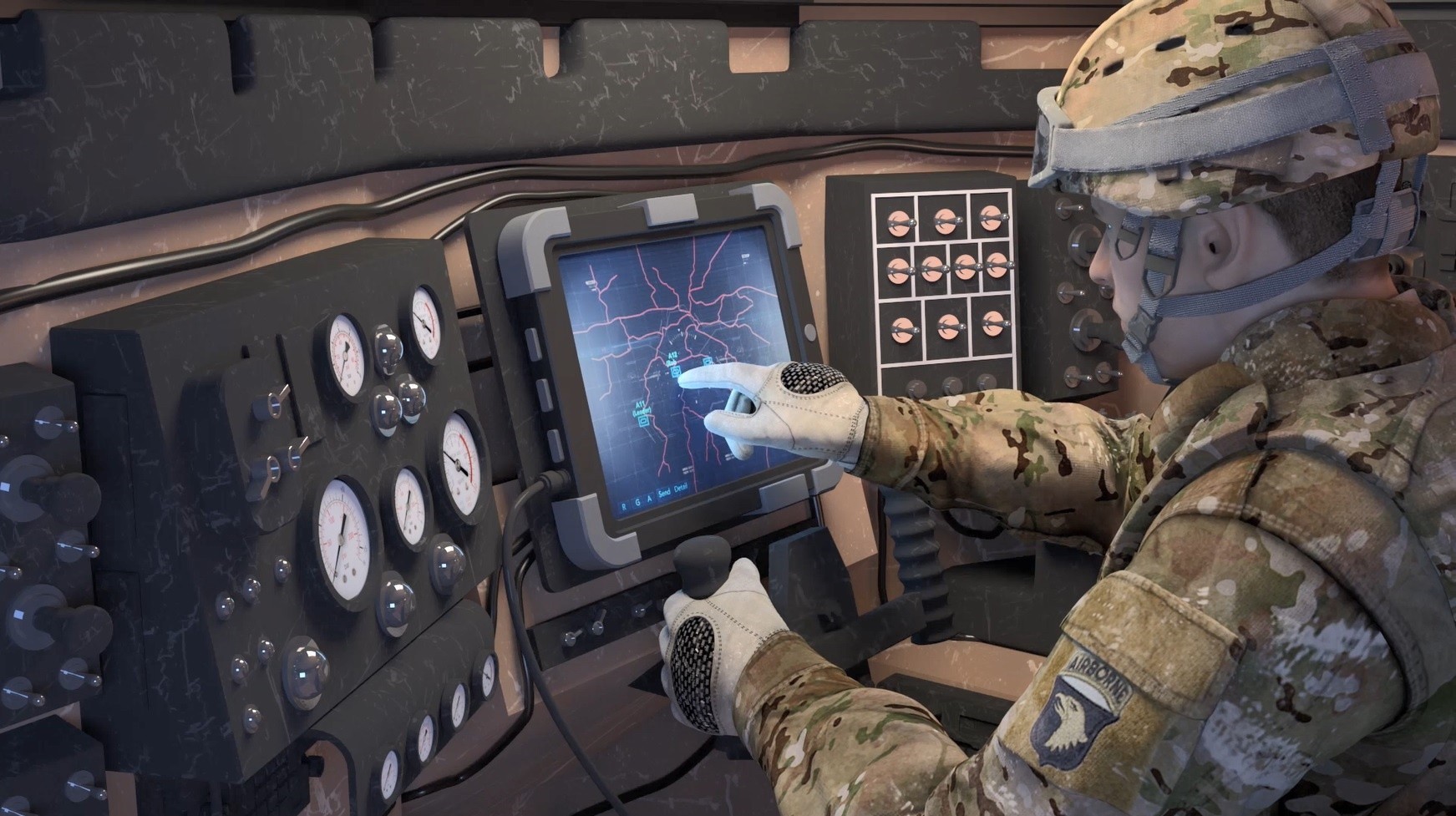
This blog post aims to provide an insightful overview of the innovations shaping future warfare. We will delve into the world of Artificial Intelligence (AI) and autonomous systems, exploring their roles in enhancing drone operations and decision-making on the battlefield.
The emergence of cyber warfare and the quest for information dominance will be examined, highlighting the critical importance of cyber infrastructure in national security. We will also discuss the game-changing potential of hypersonic weapons and advanced propulsion systems that promise to deliver unprecedented speed and surprise in military engagements.
As we gear up for the future, it's crucial to delve into the development, testing, and implementation of cutting-edge military technologies. Themes such as the adaptability of armed forces to evolving warfare scenarios, the pivotal role of military leadership in embracing technological advancements, and the persistent need for innovation take center stage. In exploring these aspects, it's essential to also consider the ethical implications associated with deploying potent new weapons. To gain a deeper understanding of the strategic considerations involved, visit ELM4YOU, where game theory intersectswith the future of warfare technology and its potential to reshape the global security landscape.
In the following sections, we will explore each of these areas in detail, providing a comprehensive look at the battlefield of tomorrow and the innovations shaping future warfare.
Artificial Intelligence And Autonomous Systems
The modern battlefield is rapidly transforming, with Artificial Intelligence (AI) and autonomous systems playing increasingly pivotal roles. These technologies are not just add-ons to existing military capabilities; they are reshaping strategies and tactics in profound ways.
The Role Of AI In Drone Operations And Decision-Making
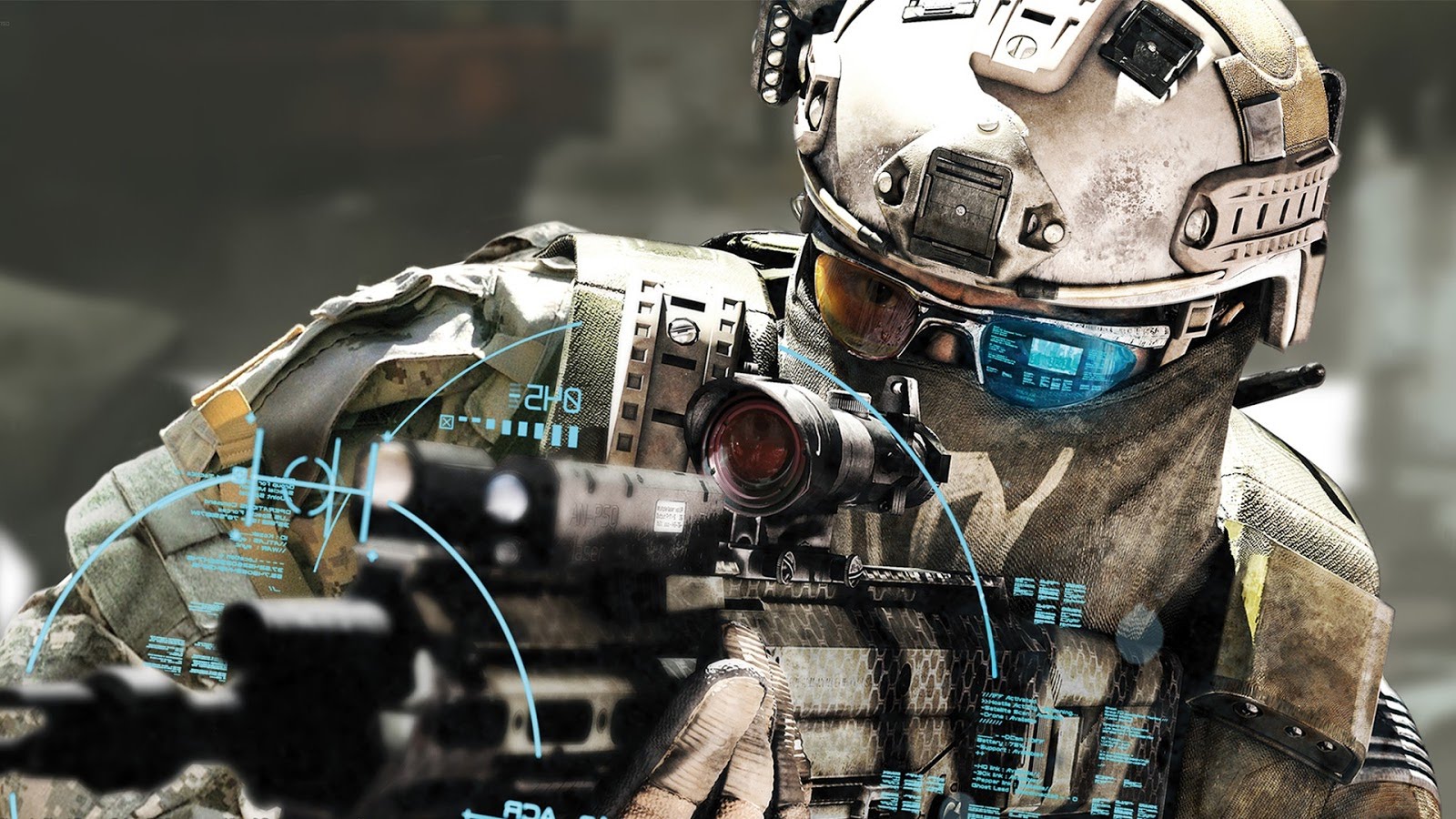
AI has become a cornerstone in the operation of unmanned aerial vehicles, commonly known as drones. These machines, equipped with AI, can perform a variety of tasks ranging from surveillance to targeted strikes without direct human control. AI enables drones to process vast amounts of data, identify patterns, and make decisions at speeds far beyond human capabilities. This allows for more precise operations while reducing the risk to human life.
One of the most significant advantages of AI in drone operations is its ability to carry out complex reconnaissance missions. Drones can autonomously navigate through challenging terrains, avoiding obstacles and threats, to gather critical intelligence. The information collected is then analysed by AI to provide actionable insights, which can be crucial for mission success.
Autonomous Weapons And Their Impact On The Battlefield
The development of autonomous weapons systems is a game-changer for military engagements. These systems can select and engage targets without human intervention, based on pre-programmed criteria and real-time analysis. The impact of such weapons on the battlefield is multifaceted. They offer the potential for faster response times and reduced casualties among friendly forces. However, they also raise significant strategic questions about the nature of warfare itself.
Autonomous weapons can be deployed in a variety of scenarios, from anti-missile systems to robotic combat units. Their ability to operate independently means that they can be used in environments that are too hazardous for human soldiers. Moreover, these systems can function around the clock, providing a persistent presence that human troops cannot match.
Ethical Considerations And Control Measures
The rise of AI and autonomous systems in warfare brings with it a host of ethical considerations. The prospect of machines making life-and-death decisions has sparked a global debate on the moral implications of such technology. There are concerns about accountability, the potential for malfunctions, and the risk of escalation due to misinterpretation by autonomous systems.
To address these concerns, control measures are being discussed at both national and international levels. These include establishing clear legal frameworks and rules of engagement for the use of autonomous weapons. There is also a push for the development of fail-safe mechanisms and human oversight to ensure that machines do not operate completely unchecked.
The integration of AI and autonomous systems into military operations is a complex and ongoing process. It requires careful consideration of the strategic advantages, operational efficiencies, and ethical dilemmas they present. As these technologies continue to evolve, so too must the policies and regulations that govern their use. The future of warfare will undoubtedly be shaped by the delicate balance between harnessing the power of AI and maintaining the human element in conflict resolution.
Cyber Warfare And Information Dominance
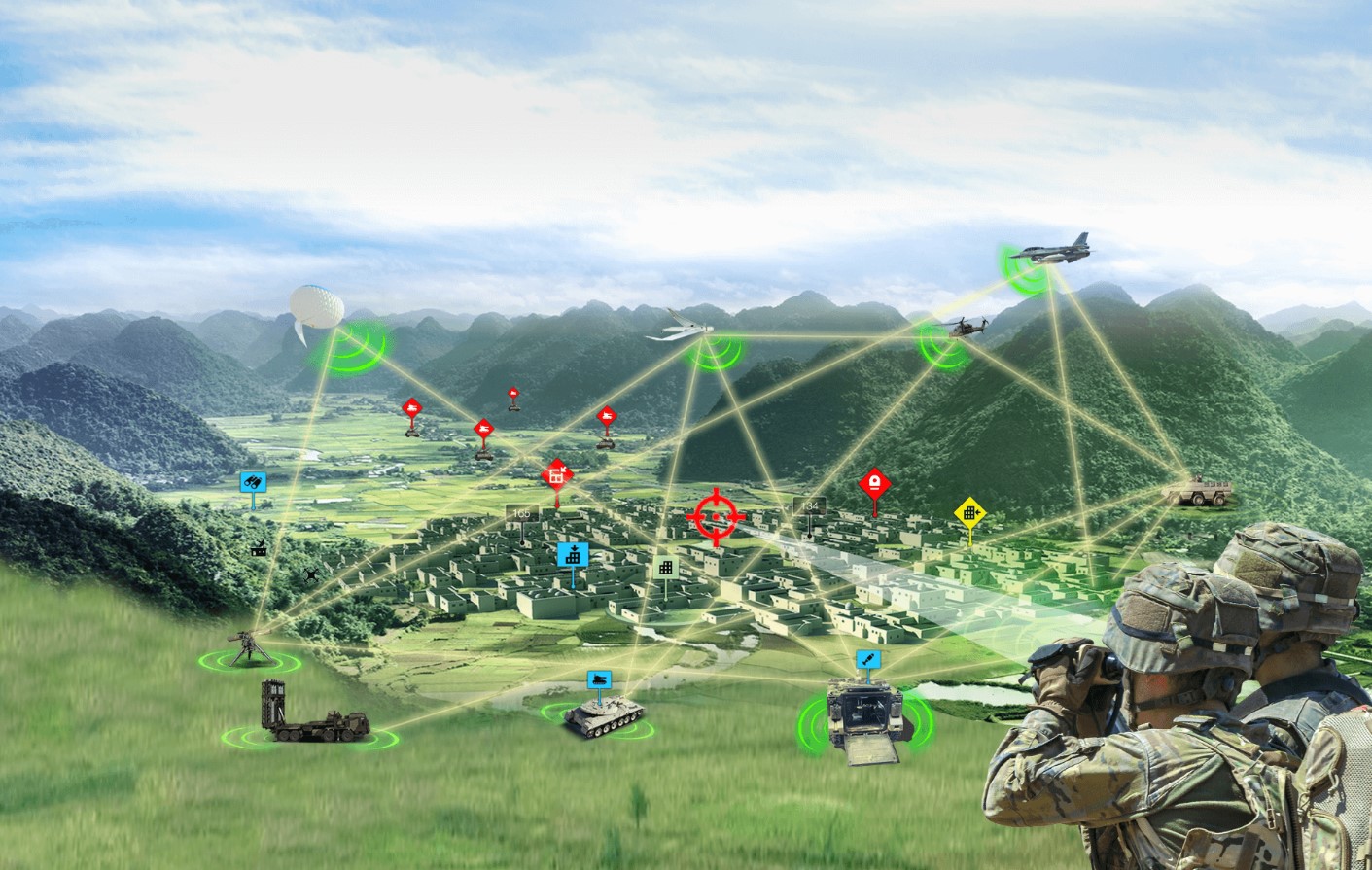
In the digital age, the battlefield extends far beyond the physical realm. Cyber warfare has emerged as a pivotal aspect of modern conflict, with nations recognising the critical importance of cyber infrastructurein maintaining national security. The ability to protect and attack digital assets can dictate the outcome of conflicts even before they reach conventional battlegrounds.
The Importance Of Cyber Infrastructure In National Security
Cyber infrastructure encompasses a nation's information systems, networks, and data centres that are essential for communication, economic activities, and government operations. In the context of warfare, these digital assets become prime targets for adversaries seeking to disrupt a country's functionality or gain strategic advantages. The security of these assets is paramount, as a successful cyber-attack can cripple critical systems, leading to chaos and weakening a nation's defence capabilities.
Strategies For Offensive And Defensive Cyber Operations
Offensive cyber operations involve the deployment of cyber tools to infiltrate, disrupt, or damage an adversary's cyber infrastructure. These operations can range from data breaches to the deployment of malware and ransomware, aiming to extract sensitive information or incapacitate key systems. On the other hand, defensive cyber operations focus on protecting and securing one's own digital assets. This includes the implementation of robust cybersecurity measures, such as firewalls, intrusion detection systems, and regular security audits.
- Offensive Cyber Operations.
- Defensive Cyber Operations.
The Use Of Misinformation And Digital Warfare Tactics
In addition to direct cyber-attacks, the use of misinformation has become a prevalent tool in digital warfare. The deliberate spread of false or misleading information can sow discord, manipulate public perception, and influence the political landscape. Social media platforms and other digital channels are often exploited to amplify the reach of misinformation, making it a potent weapon in the arsenal of future warfare.
Digital warfare tactics also include psychological operations (psyops), where information is used to influence the emotions and reasoning of individuals or groups. These tactics can demoralise enemy forces, sway public opinion, and create confusion among decision-makers.
The integration of cyber warfare and information dominance into military strategy is a testament to the evolving nature of conflict.
As nations continue to develop their cyber capabilities, the line between conventional and digital warfare becomes increasingly blurred. The ability to dominate the information space and protect against cyber threats is now as crucial as the strength of physical forces on the ground.
The rise of cyber warfare and the quest for information dominance underscore the need for continuous innovation in cybersecurity and the development of new strategies to counteract emerging threats.
As the digital landscape evolves, so too must the approaches to safeguarding national security and ensuring readiness for the challenges that lie ahead in the realm of future warfare technology.
Hypersonic Weapons And Advanced Propulsion
The realm of future warfare technology is not just about who has the most soldiers or the biggest tanks; it's increasingly about who can strike swiftly, accurately, and from the greatest distance. In this context, hypersonic weapons and advanced propulsion systems stand out as game-changers, offering a combination of speed, manoeuvrability, and precision that could redefine military strategy.
Characteristics And Capabilities Of Hypersonic Technology
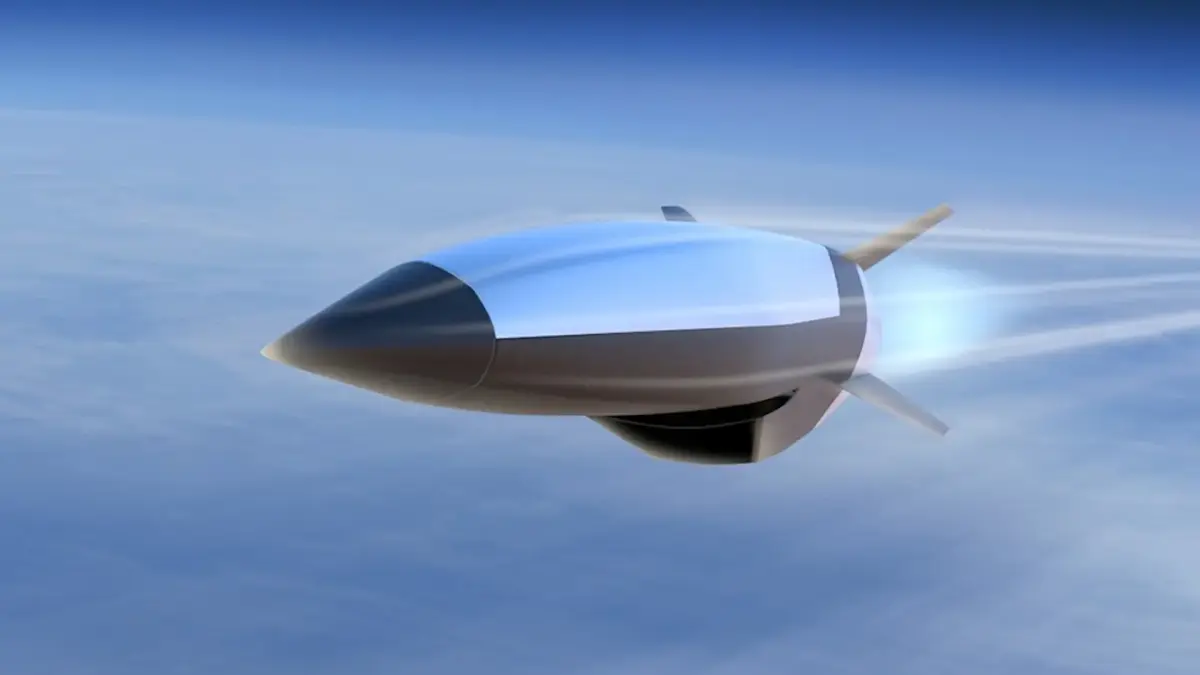
Hypersonic technology refers to vehicles and weapons that can travel at speeds of Mach 5 or faster – that's five times the speed of sound or approximately 6,174 kilometres per hour. At these extraordinary speeds, hypersonic vehicles can cover vast distances in minutes rather than hours, making them incredibly difficult to detect and intercept.
The capabilities of hypersonic weapons include:
- Extreme Speed: Their high velocity enables them to close in on targets much faster than subsonic or supersonic missiles.
- Manoeuvrability: Hypersonic weapons can perform high-speed manoeuvres, making them hard to predict and counter.
- Reduced Reaction Time: The speed of these weapons leaves adversaries with very little time to respond or deploy countermeasures.
- Stealth Features: Some hypersonic weapons are designed with stealth characteristics to avoid radar detection.
The Strategic Advantage Of Speed And Surprise
The strategic advantage of hypersonic weapons lies in their ability to strike with unprecedented speed and surprise. This capability can significantly compress the decision-making timelines for adversaries, potentially leading to errors or miscalculations in a high-stress environment. The psychological impact of facing such a swift and relentless threat cannot be overstated; it can deter aggression simply by existing within a nation's arsenal.
Moreover, the ability to deliver payloads over long distances in a matter of minutes rather than hours or days could revolutionise the concept of global strike capabilities. This means that a military force could project power rapidly across the globe without the need for forward basing or the vulnerabilities associated with slower, more detectable weapons systems.
Integration Of Hypersonic Systems Into Military Arsenals
The integration of hypersonic systems into military arsenals is a complex and multifaceted process. It involves not only the development and production of the weapons themselves but also the creation of new doctrines, tactics, and support systems to accommodate their unique characteristics.
Key aspects of this integration include:
- Infrastructure: Developing the necessary ground support, launch platforms, and tracking systems to deploy hypersonic weapons.
- Training: Preparing military personnel to operate and maintain these advanced systems effectively.
- Logistics: Ensuring that the supply chain can sustain the production and maintenance of hypersonic weapons.
- Legal and Strategic Frameworks: Updating rules of engagement and strategic doctrines to include the use of hypersonic weapons.
The introduction of hypersonic weapons into military service is not without its challenges. The technology is still in its infancy, and there are significant hurdles to overcome in terms of material science, propulsion, and guidance systems. However, the nations that successfully navigate these challenges will hold a significant strategic advantage in future conflicts.
As we look to the battlefield of tomorrow, it's clear that innovations like hypersonic weapons and advanced propulsion systems will play a pivotal role in shaping the nature of warfare. The speed and precision they offer could make them the ultimate force multipliers, enabling swift, decisive action in the face of emerging threats. However, as with all military technologies, there is a continuous need for innovation, rigorous testing, and ethical considerations to ensure that their use aligns with international law and the principles of armed conflict.
Preparing For The Future - Development, Testing, And Implementation
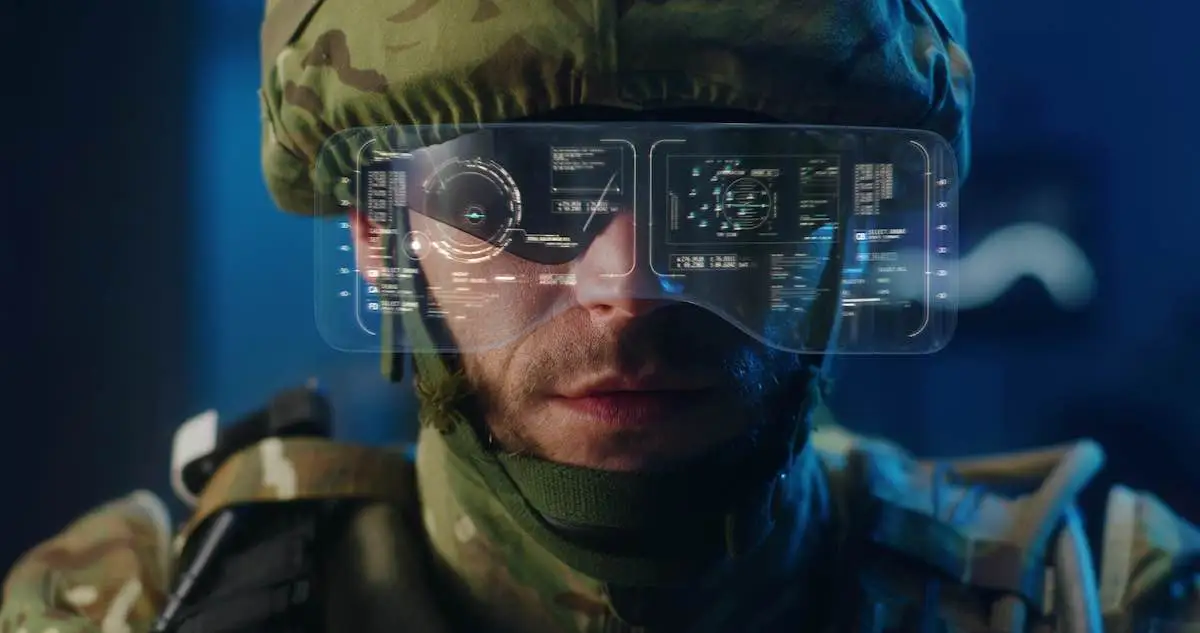
As nations around the world race to stay at the forefront of military technology, the development, testing, and implementation of future warfare technology become critical components of defence strategy. The journey from concept to battlefield is complex and multifaceted, involving a series of meticulous steps to ensure that new technologies not only provide a strategic advantage but are also reliable and adaptable to the ever-changing theatre of war.
The Process Of Developing Next-Generation Military Technologies
The inception of next-generation military technologiesoften begins with research and development (R&D) in various fields such as robotics, artificial intelligence, materials science, and propulsion systems. This phase is crucial as it lays the groundwork for what could potentially alter the dynamics of future conflicts.
Innovation hubs and defence laboratories work tirelessly to turn theoretical models into tangible prototypes. Collaboration between governments, private sector companies, and academic institutions is essential to pool resources, knowledge, and expertise. This synergy accelerates the pace of technological advancements and leads to breakthroughs that could define the battlefield of tomorrow.
Importance Of Rigorous Testing To Ensure System Reliability
Once a prototype is developed, it must undergo a series of rigorous tests. These tests are designed to push the technology to its limits and ensure that it can withstand the harsh conditions of combat. Testing encompasses a wide range of scenarios, including extreme weather conditions, electronic warfare interference, and cyber-attacks.
Reliability and safety are paramount, as any malfunction or vulnerability could have dire consequences on the battlefield. The testing phase not only identifies flaws but also provides valuable data to refine and improve the technology before it is deployed.
Training And Equipping Soldiers For Future Warfare Scenarios
The introduction of advanced technologies necessitates a shift in the training and equipping of soldiers. Military personnel must be proficient in operating new systems and be prepared for the complexities of modern warfare. This involves not only technical training but also an understanding of the strategic implications of these technologies.
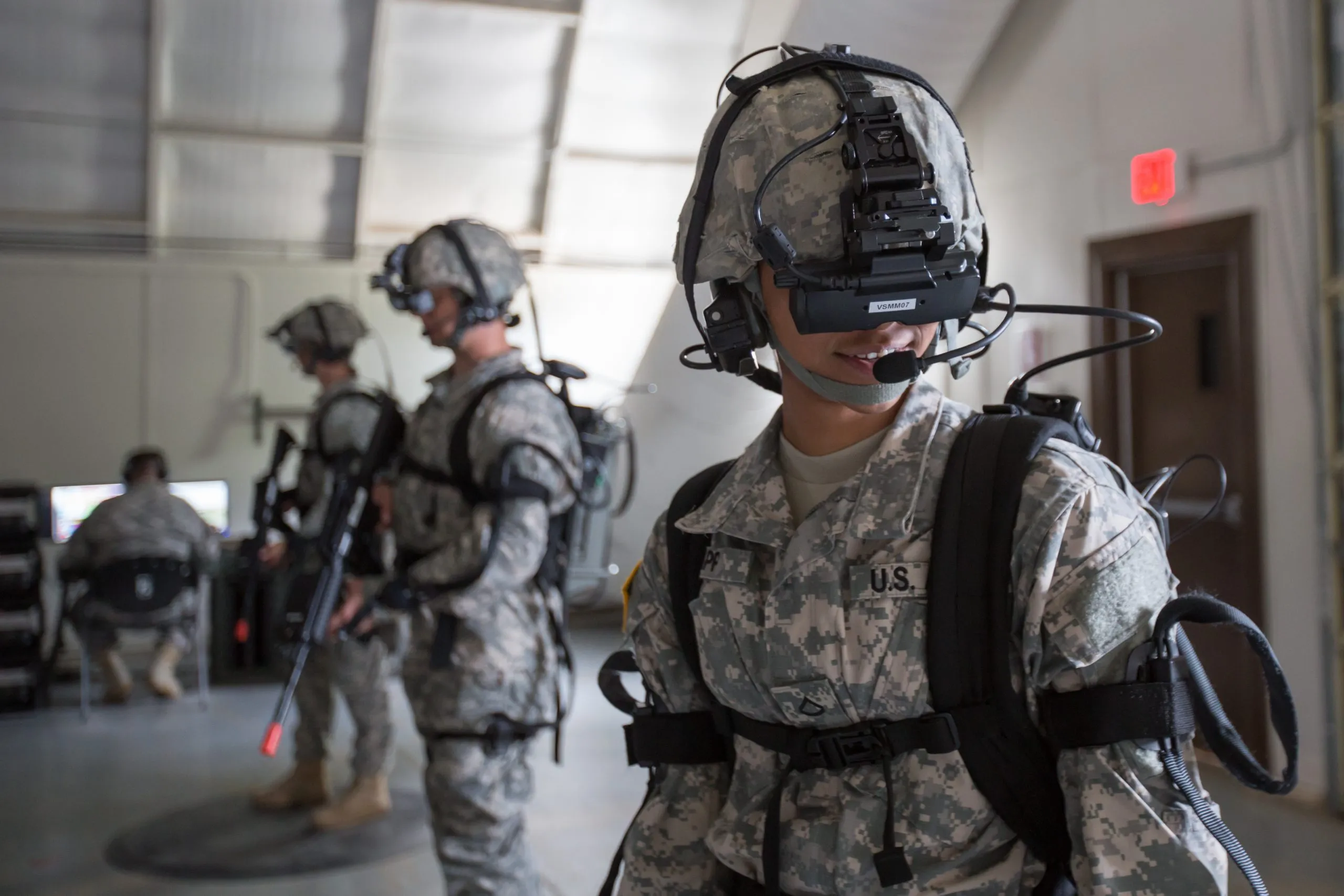
Simulation and virtual reality are increasingly used to create realistic training environments, allowing soldiers to hone their skills without the risks associated with live training exercises. These simulated scenarios can be tailored to include future threats and technologies, ensuring that soldiers are well-prepared for what they might face on the battlefield.
The Role Of Military Leadership In Technology Adoption And Adaptation
Military leadership plays a pivotal role in the adoption and adaptation of new technologies. Leaders must be forward-thinking and open to innovation while also being mindful of the potential risks and ethical implications. They are responsible for making strategic decisions about which technologies to invest in and how to integrate them into existing military structures.
Leaders must also foster a culture of continuous learning and adaptability within the armed forces. As technology evolves, so too must the strategies and tactics employed by the military. This requires leaders to be both visionaries and pragmatists, balancing the pursuit of cutting-edge technology with the practicalities of warfare.
The Potential Of Future Warfare Technology To Reshape Global Security
The advancements in future warfare technology hold the potential to reshape the landscape of global security. Nations with access to the most sophisticated technologies may gain significant strategic advantages, potentially altering the balance of power. This could lead to a new era of deterrence, where the mere possession of certain technologies acts as a powerful tool to prevent conflict.
However, this also raises concerns about an arms race in military technology, with nations competing to develop the most advanced systems. Such a race could lead to increased tensions and instability if not managed responsibly.
The Continuous Need For Innovation And Ethical Considerations
The development of future warfare technology is not a one-time event but a continuous process. As adversaries adapt and new threats emerge, there will always be a need for innovation to stay ahead. This requires sustained investment in R&D and a commitment to pushing the boundaries of what is possible.
At the same time, ethical considerations must be at the forefront of technological advancements. The potential for autonomous systems to make life-and-death decisions, for example, raises profound moral questions. It is imperative that international laws and norms evolve alongside technology to ensure that its use remains within the bounds of what is considered acceptable by society.
Future Warfare Technology - FAQs
What Are The Future Trends In Warfare?
Future trends in warfare are expected to be shaped by advancements in technology, including artificial intelligence, cyber warfare, autonomous systems, and biotechnology. Additionally, there's a growing focus on hybrid warfare, combining conventional and unconventional methods. The use of information warfare, space capabilities, and quantum technologies may also play significant roles.
Is AI The Future Of Warfare?
Artificial intelligenceis indeed considered a key component of the future of warfare. AI has the potential to revolutionize military capabilities in areas such as autonomous weapons, predictive analytics, decision-making processes, and enhanced cybersecurity. However, ethical concerns, regulations, and the need for responsible AI implementation are crucial considerations.
What Are The Future Battlefield Technologies?
Future battlefield technologies are likely to include advanced autonomous systems, unmanned vehicles, swarm intelligence, and smart sensors. The integration of AIfor real-time decision-making, augmented reality for enhanced situational awareness, and advanced communication systems will be pivotal. Additionally, developments in directed energy weapons, hypersonic technologies, and nanotechnology may also impact the nature of future conflicts.
Conclusion
As we look to the horizon, it is clear that the battlefield of tomorrow will be unlike anything we have seen before. The technologies that are currently in development have the potential to revolutionise warfare, making it faster, more precise, and more complex.
The path to integrating these technologies into military arsenals is fraught with challenges, from ensuring system reliability to training soldiers and maintaining ethical standards. Yet, the nations that can navigate this path successfully will not only safeguard their own security but also have the opportunity to contribute to a more stable and peaceful international order.
The future of warfare is a reflection of our present-day decisions and investments. As such, it is essential that we approach the development of these technologies with both caution and ambition, ready to face the challenges ahead with the best tools and strategies at our disposal.